-
70%
-
51%
-
15%
-
80%4.5l/min Flow Limiting M24 Aerator $ 24.74 Add to cart This product has multiple variants. The options may be chosen on the product page
-
39%
-
24%
85%
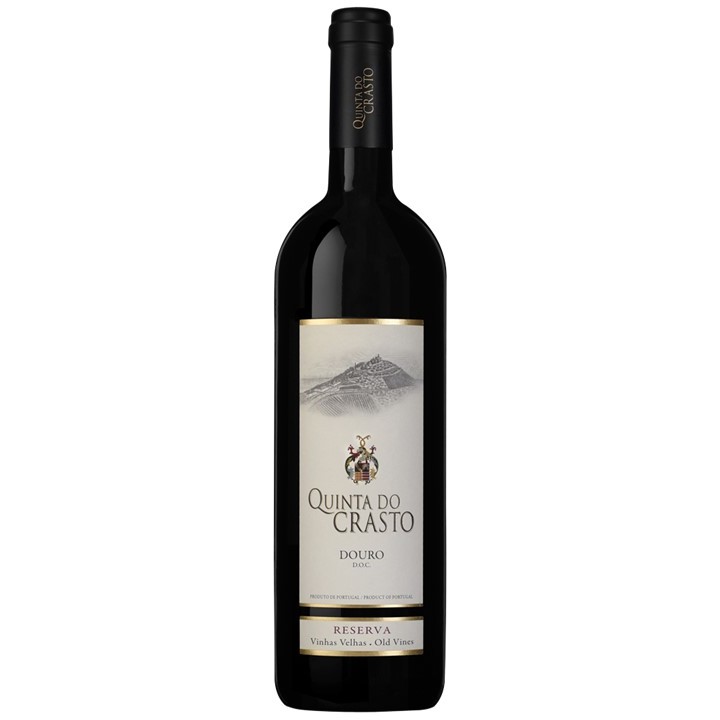
Wine Quinta do Crasto Reserva Vinhas Velhas Red 2023 75cl
$ 36.95
Save (85%)
Wine Quinta do Crasto Reserva Vinhas Velhas Red 2023 75cl (Old Vineyards) Region: DOC Douro, PortugalCategory nomenclature: Vinhas Velhas means Old Vineyards Aging: (85%) Aged in French oak barrels and (15%) in American oak, where it remained for around 18 months. Tasting notes: Deep and intense ruby color, impressive on the nose due to its depth and complexity, where notes of ripe red fruits mix harmoniously with notes of forest, highlighting excellent notes of rockrose. On the palate it starts elegantly, evolving into a solid wine with great structure, characterized by tannins with a velvety texture. Enveloping, balanced finish, very persistent and fresh. A wine of extraordinary complexity that fully reflects the essence of the Quinta’s old vines.Alcohol: 14%Grapes: Old Vines (Vinhas velhas) – (old vineyards where the planting of grape varieties was random and diverse, and you can find a large number of different grapes – about 30) History: Quinta do Crasto has more than 400 years of history, part of which is documented.This farm is and is part of the history of the Douro and of Port Wine, with all its details, from the productions prior to the Company, or even prior to vinification with brandy, through the projection of DOC Douro wines.The events and vicissitudes that brought the Crasto brand through time should be highlighted, passing through the Pombalina Company, through the liberalization and market regulation movements, through the plagues of the 19th century, powdery mildew, mildew and phylloxera.Going through the creation of Álvaro Moreira da Fonseca’s “Method for the Distribution of the Benefit of Port Wine”.For the foundation of Casa do Douro and the Porto Wine Institute, for the 1974 revolution and for joining the European Union (at the time European Economic Community).All this history passed through the Quinta. But she didn’t stay passive, she was part of this whole story. Its owners or farmers took care of its development, its projection into foreign trade and the innovation of its working methods.They adapted to the new times, but they also knew how to choose and make those times.
Related products
-
47%
-
45%
-
42%