-
70%
-
51%
-
15%
-
80%ECO FBAS 3.5 Flow Lim F22x1 Aerator $ 31.42 Add to cart This product has multiple variants. The options may be chosen on the product page
-
39%
-
24%
85%
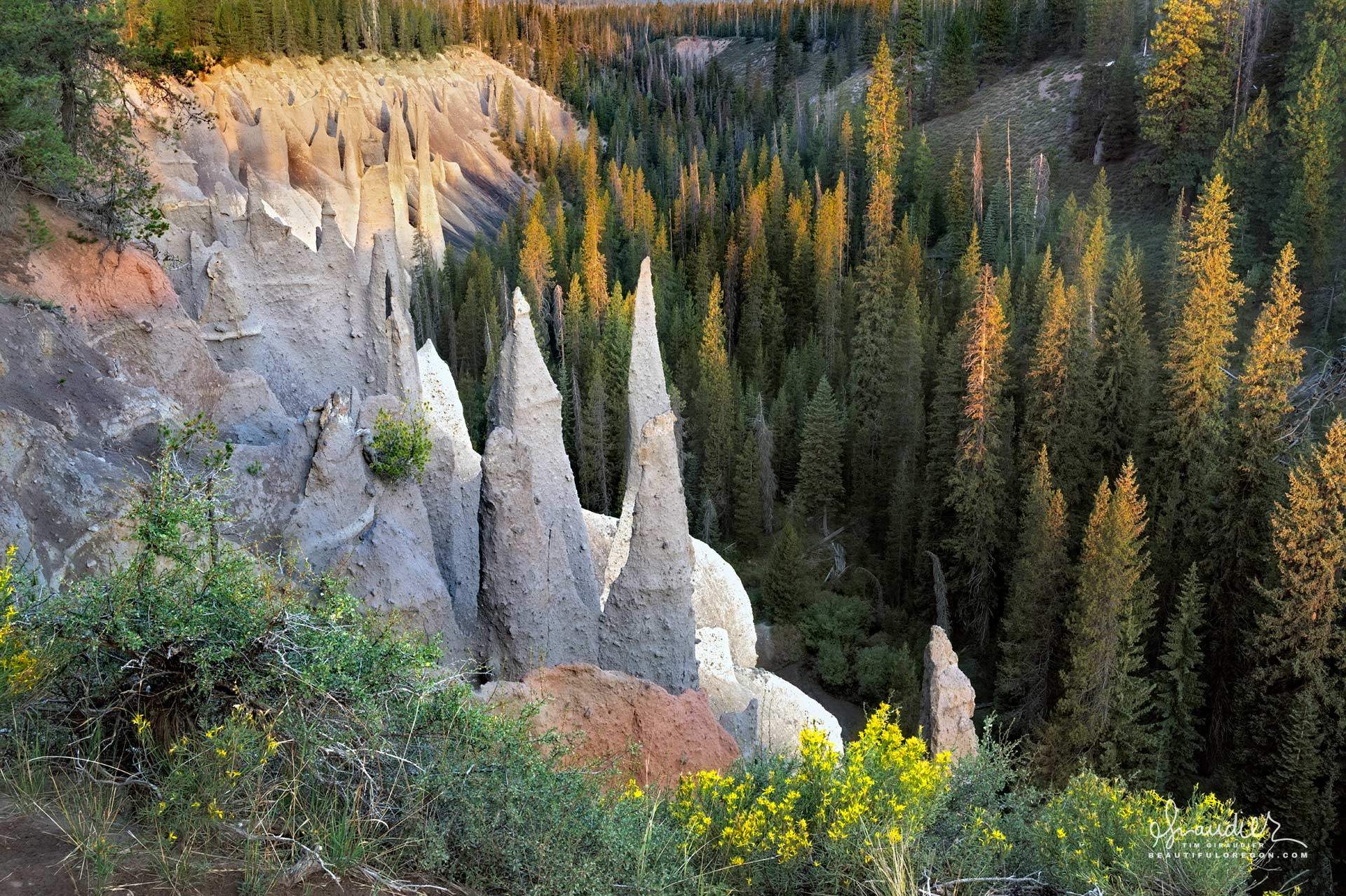
Pinnacles Wheeler Creek Canyon – Crater Lake National Park
$ 49.50
Save (85%)
The Pinnacle Formation: Geologic Origins and Processes Located within the southeastern portion of Crater Lake National Park in Oregon’s Southern Cascade Range, the Pinnacles are striking, spire-like formations that rise from the floor of Wheeler Creek Canyon and surrounding drainages. Though sometimes mistaken for eroded lava or glacial features, the Pinnacles are actually fossil fumaroles—vertical volcanic gas vents—preserved within deposits of ash from Mount Mazama’s climactic eruption approximately 7,700 years ago. These formations offer a rare and visually compelling record of explosive volcanism and post-eruptive hydrothermal processes that followed one of the largest volcanic events in the Holocene epoch. The Pinnacles formed during the terminal stages of Mount Mazama’s collapse. Before Crater Lake existed, a large stratovolcano occupied the site. When Mount Mazama violently erupted around 7,700 years ago, it released an estimated 50 km³ of magma in a short span of time. The eruption ejected enormous volumes of pumice, ash, and pyroclastic flows, which blanketed the region and initiated the caldera collapse. One of the pyroclastic flows that contributed to the Pinnacle Formation surged down the east flank of the volcano, filling the valley now carved by Wheeler Creek with hot, gas-charged pumice and ash. This pyroclastic flow unit is known as the Wheeler Creek ash-flow tuff, part of the broader Mazama Tuff sequence. It consisted of densely packed, still-hot volcanic ash and pumice that retained sufficient heat after deposition to support post-eruptive fumarolic activity. In the hours and days following emplacement, superheated volcanic gases continued to vent through the still-hot ash flow, escaping vertically through fumarole channels. These rising gases altered the chemistry of the surrounding ash through a process known as fumarolic cementation. Volcanic vapors rich in acidic gases and minerals—particularly silica, alumina, and iron—reacted with the ash particles lining the gas vents, gradually cementing them into hard, erosion-resistant spires. This process formed vertical columns of indurated tuff surrounded by less-altered, friable ash deposits. Over the succeeding millennia, weathering and stream erosion, particularly by Wheeler Creek and its tributaries, gradually removed the softer surrounding material. What remains are the hardened fumarole walls, now exposed as thin, tapering pinnacles that can reach over 30 feet in height. Their verticality and spacing reflect the geometry of the original gas vent network. The Pinnacles provide a textbook example of how fumarolic processes, commonly hidden beneath modern volcanoes, can become visible when preserved in pyroclastic flow deposits and later exposed by erosion. Their development also demonstrates the dynamic interplay between eruptive deposition and post-eruptive hydrothermal systems. Geologically, the Pinnacles are important not only for their unique origin but also for their preservation state, which provides researchers with valuable insights into the cooling and degassing behavior of thick ash-flow tuffs. While similar fossil fumaroles are known in other large caldera systems—such as Yellowstone or the Valles Caldera—those at Crater Lake are among the most visually accessible and aesthetically distinct. Today, visitors to the Pinnacles can observe these delicate structures from a short trail near the road’s end on the park’s east side. Though visually fragile, they are geologically robust indicators of the immense heat, volatile flux, and subsequent erosional forces that shaped the modern Crater Lake landscape. Crater Lake National Park, Klamath County, Winema National Forest
Related products
-
47%
-
45%
-
42%