-
70%
-
51%
-
15%
-
80%Heritage Shrouds Chrome $ 44.15 Add to cart This product has multiple variants. The options may be chosen on the product page
-
39%
-
24%
85%
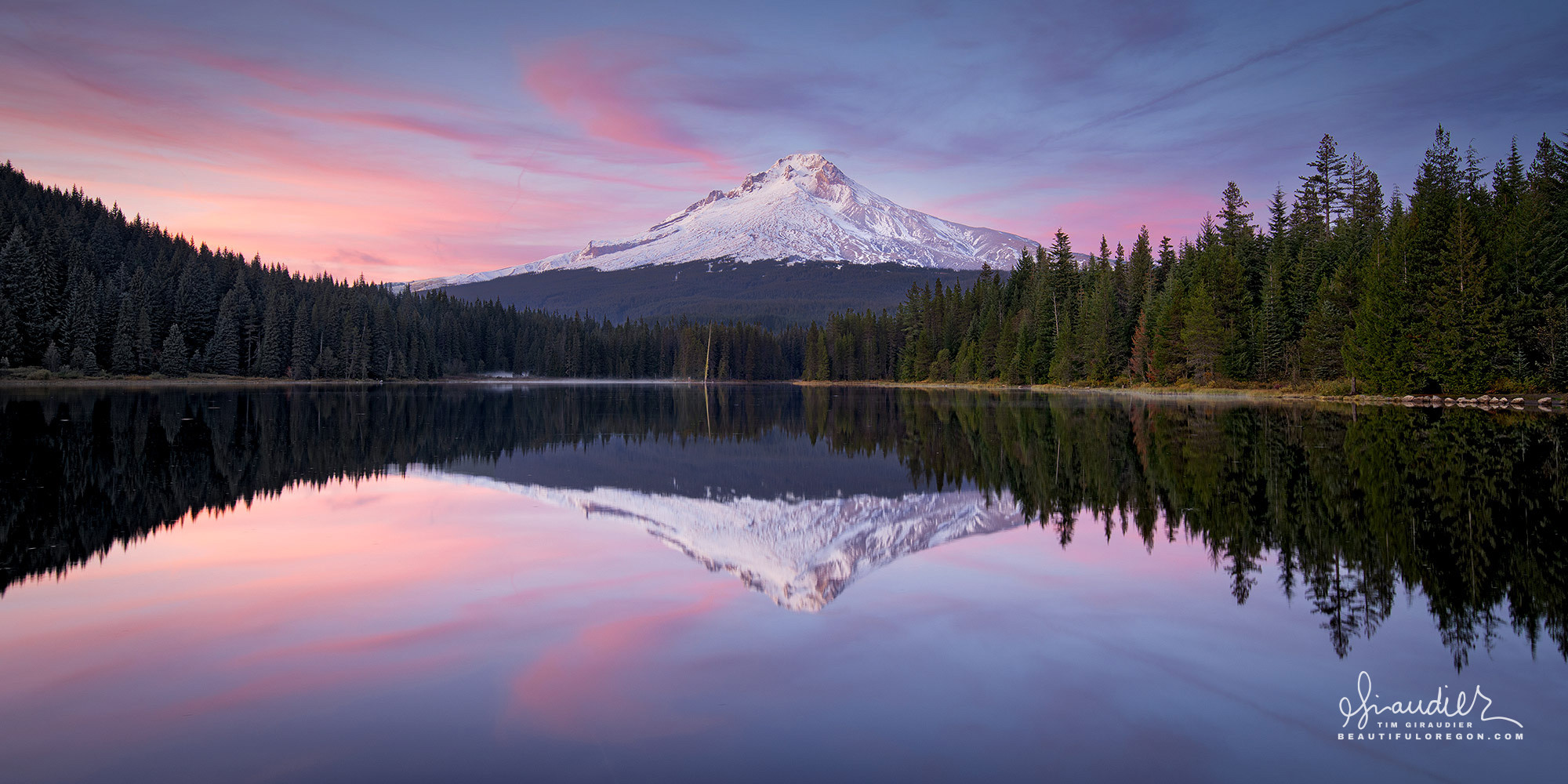
Mount Hood and Trillium Lake
$ 57.60
Save (85%)
A perfect mirror image of Mount Hood reflects from the calm surface of Trillium lake in the Mount Hood National Forest. Clackamas County, Oregon Cascades. If interested in greeting cards of this image, you can find it in my Notecard Gallery here. Mount Hood, the tallest mountain in Oregon at 11,240 feet (3,426 meters), is a dormant stratovolcano located approximately 50 miles east-southeast of Portland. It anchors the northern Oregon Cascades and is part of the Cascade Volcanic Arc, which includes other major volcanoes such as Mount St. Helens and Mount Jefferson. Mount Hood last erupted in the 18th century, with minor eruptive activity as recently as the mid-1800s, and is still considered potentially active. The mountain is capped by a dozen glaciers and snowfields, with the largest being Eliot Glacier on the northeastern flank. Geologically, Mount Hood was formed through a series of eruptive phases beginning roughly 500,000 years ago. Most of its visible structure is younger than 15,000 years, composed primarily of andesite and dacite lavas. The mountain has grown through alternating periods of lava dome building and pyroclastic flows. Numerous lahars, or volcanic mudflows, have descended its flanks over the millennia, shaping valleys and depositing sediment downstream. Mount Hood is situated within the Mount Hood National Forest, a protected area encompassing over one million acres. The mountain serves as a year-round destination for recreation, offering skiing, snowboarding, hiking, and climbing. Timberline Lodge, located at 6,000 feet on the southern slope, is one of the few ski areas in the United States that operates year-round due to the presence of the Palmer Glacier. The lodge itself is a National Historic Landmark, constructed in the 1930s as part of a Works Progress Administration project. Hydrologically, Mount Hood is a major source of freshwater. Snowmelt and glacial runoff from the mountain feed several major rivers, including the Sandy, White, Hood, and East Fork Hood rivers. These tributaries support critical aquatic habitats and supply irrigation water to downstream agricultural areas. The region also contributes to municipal water supplies, particularly for the city of Portland. Roughly seven miles southwest of Mount Hood, Trillium Lake lies at an elevation of 3,600 feet. The lake is man-made, created in 1960 by damming a wetland along Mud Creek, a tributary of the Salmon River. Though artificial, Trillium Lake was named after nearby Trillium Mountain and retains a natural appearance, surrounded by coniferous forest composed primarily of mountain hemlock, Douglas fir, and western red cedar. The lake is shallow, with a maximum depth of approximately 20 feet, and covers about 63 acres. Trillium Lake is best known for its scenic view of Mount Hood, which is reflected on calm mornings across the lake’s surface. It has become a prominent photography location and a popular site for casual recreation. Non-motorized boating, swimming, and fishing are common in the summer months. The Oregon Department of Fish and Wildlife stocks the lake regularly with rainbow trout, making it a favored destination for anglers. A 2-mile trail, the Trillium Lake Loop, circles the lake and is accessible for both hikers and cross-country skiers in winter. The surrounding area supports a variety of wildlife, including osprey, great blue herons, black-tailed deer, and occasionally black bears. The lake’s proximity to Highway 26 and the town of Government Camp makes it easily reachable for day-use visitors traveling from the Portland metropolitan area. Together, Mount Hood and Trillium Lake form one of Oregon’s most recognizable and frequently visited high-elevation landscapes. While Mount Hood dominates the skyline and serves as a hub for mountaineering and winter sports, Trillium Lake offers a more tranquil, accessible environment with recreational opportunities suited to families and casual visitors. The pairing of glaciated peak and calm alpine lake has helped cement the area’s status as an iconic location within the Pacific Northwest. Clackamas County, Mount Hood, Mount Hood National Forest, Sunset, Trillium Lake
Related products
-
47%
-
45%
-
42%