-
70%
-
51%
-
15%
-
80%Heritage Shrouds Vintage Gold $ 52.22 Add to cart This product has multiple variants. The options may be chosen on the product page
-
39%
-
24%
85%
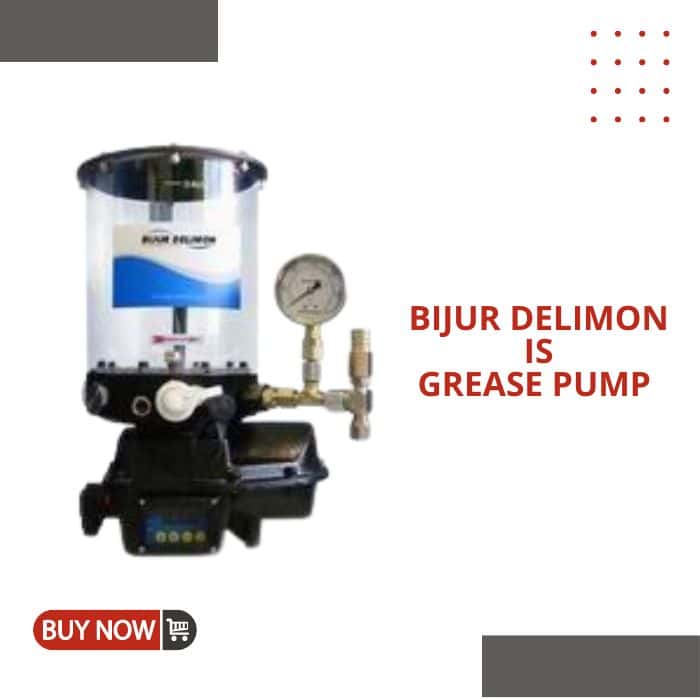
BIJUR DELIMON IS Electric Lubrication Pump — 16-25 MPa High-Pressure Grease Pump for Progressive Systems
$ 91.18
Save (85%)
Product Description The BIJUR DELIMON IS Electric Lubrication Pump is a motor-driven, high-pressure grease pump designed for progressive (PRG) centralized lubrication systems and multi-line independent circuit systems. It features a 4-liter reservoir and delivers grease at working pressures of 16 MPa or 25 MPa (model-dependent), making it suitable for medium to heavy-duty machinery with long distribution lines or high back-pressure bearings. The pump is available with 1 to 4 independent grease outlets, allowing it to feed either a single progressive divider valve manifold or up to four independent lubrication circuits simultaneously. Each outlet is protected by an overpressure safety device. An optional programmable controller manages pump cycling in timed or pressure-controlled modes, while the IP65-rated enclosure ensures reliable operation in dusty, vibrating, and wet industrial environments. System Compatibility Note: This pump is designed for progressive (PRG) and multi-line centralized grease systems. It is not suitable for standard Single-Line Resistance (SLR) systems, which operate at low pressure (< 1 MPa) and rely on resistance fittings rather than high-pressure divider valves. Technical Specifications Parameter Specification Model Series IS (Intelligent System / Multi-Outlet Electric) Operation Type Motor-driven electric piston or gear pump Reservoir Capacity 4 L Reservoir Material Steel or polymer (model-dependent), with visual level indicator Applicable Grease NLGI #000 to #2 (fluid grease to standard lithium grease) Max. Working Pressure 16 MPa (standard model) / 25 MPa (high-pressure model) Flow Rate 180 ml/min @ 15 r/min, 16 MPa model; 400 ml/min @ 40 r/min, 25 MPa model Number of Outlets 1, 2, 3, or 4 independent grease outlets Outlet Thread M14 × 1.5 (ferrule type for Ø6 mm high-pressure tubing) Operating Temperature -35°C to 80°C (use low-temperature grease below -20°C) Voltage 24 VDC or 220 VAC (50/60 Hz) Motor Power Typically 60–120 W (varies by pressure and flow configuration) Level Switch Not included (optional external low-level sensor available) Pressure Gauge Optional (recommended for system commissioning and monitoring) Controller Optional programmable timer/controller (24VDC model only; 220VAC model typically uses external PLC or relay control) Controller Fuse 5 A Grease Filling Port Straight-through quick-fill port (compatible with standard grease gun or filling pump) Enclosure Protection IP65 (dust-tight and protected against water jets) Weight Approx. 8–12 kg (pump head 4L reservoir, model-dependent) Mounting Wall or shelf mount with base bracket System Architecture & How It Works Progressive (PRG) System Mode In progressive system configuration, the IS pump supplies high-pressure grease through one outlet to a progressive divider valve manifold (e.g., BIJUR M2500G, 3000, or PVBM series). The divider valve contains a series of interconnected metering pistons that cycle sequentially — each piston must complete its full stroke before the next begins. This guarantees that every lube point receives its precise, fixed volume of grease in a predetermined order as long as the pump maintains pressure. The optional programmable controller operates the pump in cycle-control mode: it runs the pump until the divider valve completes a preset number of cycles (monitored by a micron switch or indicator pin), then enters an idle period. If the divider valve fails to cycle within the alarm time, the controller triggers a fault signal. Multi-Line Independent Circuit Mode When configured with 2 to 4 outlets, each outlet can feed an independent progressive divider valve or a separate single-line circuit. This is advantageous when: A machine has multiple zones with different lubrication intervals (e.g., spindle bearings vs. axis bearings on a large CNC machine) The physical layout makes a single long distribution line impractical Redundancy is required — if one circuit fails, the others continue operating Each outlet is equipped with its own overpressure relief valve, preventing a blockage in one circuit from overloading the pump or starving the other circuits. Timed vs. Pressure-Controlled Operation Control Mode Recommended For How It Works Timed (Time Control) Multi-line systems, open-circuit systems Controller runs pump for a preset duration, then idles for a preset interval. Simple, but does not verify actual grease delivery. Pressure-Controlled Progressive systems with pressure switch Pump runs until system pressure reaches the relief/set point (confirming divider valve cycling), holds for 4 seconds, then stops. Faults if pressure is not achieved within alarm time. Cycle-Controlled Progressive systems with divider valve cycle switch Pump runs until the divider valve completes a preset number of cycles (monitored by micron switch or proximity sensor). Most accurate for fixed-volume delivery. Key Features High-Pressure Capability: 16 MPa (standard) or 25 MPa (heavy-duty) working pressure overcomes long line resistance and dense NLGI #2 grease flow friction. Multi-Outlet Flexibility: 1–4 independent outlets allow zone-based lubrication or redundant circuit design from a single pump station. Wide Grease Range: Handles everything from fluid grease (NLGI #000) to standard lithium grease (NLGI #2) without pump replacement. Harsh Environment Rated: IP65 enclosure and sealed motor terminal box protect against dust, coolant mist, and washdown in construction and mining applications. Dual Voltage Options: 24 VDC for mobile equipment and battery-backed systems; 220 VAC for fixed industrial installations. Optional Programmable Controller: 24VDC models can integrate a built-in SM-AC or equivalent controller with LCD display, fault relay output, and multiple operating modes (timed, pressure, cycle). Applications Construction Machinery: Excavator booms, loader articulation pins, crane slew bearings — where vibration and dust are severe and electrical reliability is critical. Mining & Quarrying: Crusher bearings, screen shaker mechanisms, conveyor drive units — IP65 rating and high-pressure output suit abrasive, high-load environments. Machine Tools: CNC machining centers, lathes, grinders — multi-outlet configuration allows separate circuits for spindle bearings, ball screws, and linear guides. Forging & Presses: Slide guides, die-set bearings, ejector pin bushings — 25 MPa model ensures grease penetrates heavily loaded plain bearings. Transportation & Material Handling: Overhead cranes, gantry systems, automated storage retrieval systems — 24VDC option enables mobile and rail-mounted equipment. Installation & Setup Mounting: Secure the pump to a vibration-damped wall or shelf bracket. Ensure the reservoir is vertical and the fill port is accessible. Allow 100 mm clearance on all sides for wiring and tubing bends. Grease Filling: Use a dedicated grease filling pump or manual cartridge gun connected to the quick-fill port. Fill to 80–90% capacity to allow thermal expansion. Do not mix incompatible grease thickeners (e.g., lithium complex with calcium sulfonate). Outlet Piping: Connect M14×1.5 outlets to Ø6 mm or Ø8 mm high-pressure nylon or steel tubing rated for 30 MPa minimum. Use ferrule-type compression fittings to prevent blow-off at 25 MPa. Keep each circuit’s total line length within the pump’s pressure capability — consult the pressure-vs-length chart for your grease grade and tubing diameter. Controller Wiring (24VDC model): Terminals 1–2: 24 VDC power input Terminals 3–4: Motor load output (voltage matches supply) Terminals 5–6: Low-level switch input (closed at low level, triggers yellow LED alarm) Terminals 7–8: Pressure switch or cycle switch input (for pressure/cycle control modes) 220VAC Model: Typically wired through an external motor contactor or PLC relay. The 220VAC model does not integrate the programmable controller directly — use an external timer or machine PLC for cycle control. System Priming: Before first operation, purge all distribution lines and divider valves of air. Run the pump manually (jog mode) until solid grease flows from the farthest lube point without air bubbles. Maintenance & Troubleshooting Daily: Verify reservoir level via sight glass or dipstick. Low level causes cavitation and accelerated piston seal wear. Weekly: Inspect M14×1.5 outlet fittings and tubing ferrules for leakage under pressure. Tighten to 20–25 Nm if seepage is observed. Monthly: Test the overpressure relief valve by briefly blocking an outlet (use a test plug) and verifying the valve opens at the rated pressure ±10%. Clean the quick-fill port cap and strainer to prevent contamination. Quarterly: Check motor brush wear (if brushed motor) or bearing noise (if brushless). Inspect controller fuse (5 A) and replace if blown — a blown fuse often indicates a shorted motor or seized pump piston. Annual: Drain and clean the reservoir. Replace piston seals and check valve balls if output pressure has dropped > 15% from nominal. Lubricate the motor fan bearing if applicable. Related Products & System Components BIJUR Progressive Divider Valves: M2500G, 3000, or PVBM series manifolds — 3 to 10 valve blocks per assembly, up to 20 lube points. Individual blocks available in multiple output sizes. Pressure Switch / Cycle Switch: Required for pressure-control and cycle-control modes. Mounts on the pump outlet or divider valve end section. Low-Level Sensor: Optional float or capacitive sensor for 24VDC controller integration (Terminals 5–6). Grease Filling Pump: KGP-420 or equivalent for transferring NLGI #2 grease from 20L pail cans into the 4L reservoir without air entrainment. High-Pressure Tubing: Ø6 mm × 1.5 mm or Ø8 mm × 2 mm nylon or steel-reinforced hose, minimum burst pressure 40 MPa. FAQ Can the IS pump be used in a Single-Line Resistance (SLR) system? No. The IS pump is designed for high-pressure progressive (PRG) or multi-line systems (16–25 MPa). Standard SLR systems operate at low pressure (< 1 MPa) and use resistance fittings to proportion oil flow. Applying 16 MPa to an SLR system will rupture tubing, blow out resistance fittings, and potentially damage bearings. For SLR applications, use a dedicated low-pressure pump such as the BIJUR SureFire SLR series (75 PSI / 0.5 MPa rated). What is the difference between the 16 MPa and 25 MPa models? The 16 MPa model suits most progressive systems with moderate line lengths (up to 50–80 meters of Ø6 mm tubing) and NLGI #0–#1 grease. The 25 MPa model is required for: (1) very long distribution lines (> 100 m), (2) heavily loaded bearings requiring high injection pressure, (3) cold climates where NLGI #2 grease becomes stiff and presents high flow resistance, or (4) systems with multiple divider valves in series. Select the 25 MPa model only if your system design specifically requires it — higher pressure increases motor load and energy consumption. Can I run all 4 outlets simultaneously? Yes, but with caveats. The pump’s total flow rate (180 or 400 ml/min) is shared across all active outlets. If all 4 outlets are open simultaneously, each receives approximately 25% of the total flow (assuming equal resistance). For progressive systems, it is more common to use 1 outlet per pump and size the divider valve manifold to the total lube point count. Multi-outlet mode is typically used when feeding physically separate machine zones with different grease types or lubrication intervals. Why does the 220VAC model not include a controller? The 220VAC model is designed for fixed industrial installations where the machine’s existing PLC or relay panel handles pump cycling. The 24VDC model includes the optional controller because mobile and battery-backed equipment often lacks a centralized control panel. If you need programmable control on a 220VAC installation, purchase the 24VDC pump with controller and power it from a 220VAC-to-24VDC DIN-rail supply, or use an external industrial timer/PLC. What does “1.8ml/min” mean — is that the total pump output? This value appears to represent a specific metering or low-speed configuration rather than the pump’s maximum capacity. At 15 r/min motor speed and 16 MPa back-pressure, the volumetric efficiency drops due to grease compressibility and internal slip. The 400 ml/min figure at 40 r/min and 25 MPa is more representative of the pump’s rated capacity. For system sizing, use the 400 ml/min value and consult the pump’s pressure-flow curve to derate for your specific grease grade, temperature, and line length. How do I set the controller for a progressive system? For progressive systems, use Cycle Control Mode (d=3) or Pressure Control Mode (d=2): Cycle Mode: Mount a micron switch or proximity sensor on the divider valve indicator pin. Set the controller to run the pump until the switch toggles a preset number of times (e.g., 1 cycle = all lube points receive one shot). This is the most accurate method. Pressure Mode: Install a pressure switch on the pump outlet or end-of-line. Set the alarm time to 2–5 minutes (depending on line length). The pump runs until the switch closes at system pressure, holds for 4 seconds, then stops. If pressure is not achieved within the alarm time, the controller displays “EEPP” fault. Avoid Time Control Mode (d=1) for progressive systems unless you have a pressure monitor, because a blocked line will not trigger a fault — the pump will simply run for the preset time without delivering grease. What happens if one outlet is blocked? Each outlet has an independent overpressure relief valve. If a circuit is blocked, the relief valve for that outlet opens at the rated pressure (16 or 25 MPa), diverting flow back to the reservoir or to a relief line. The other outlets continue to operate normally. However, a blocked circuit will not receive grease, and the divider valve in that circuit will not cycle. Monitor each circuit with a pressure switch or cycle switch to detect blockages before bearing damage occurs. Can I use NLGI #3 grease with this pump? Not recommended. The pump is rated for NLGI #000 through #2. NLGI #3 (hard grease) significantly increases starting torque and flow resistance, especially at low temperatures. Using #3 grease may cause motor overload, blown fuses, and premature piston seal wear. If your application requires #3 consistency, consider a high-viscosity pump with a larger piston bore and higher motor power, or switch to an NLGI #2 EP grease with equivalent load-bearing performance. How do I prevent the pump from running dry? The standard IS pump does not include a low-level switch (the table correctly states “None”). To prevent dry running: Install an external float switch or capacitive level sensor in the reservoir and wire it to the controller’s low-level input (Terminals 5–6) or to the machine’s PLC. Set the controller to display a yellow LED and trigger a fault relay when the low-level signal activates. Establish a manual inspection routine — check the sight glass daily and refill when the level drops below 25%. Running the pump dry for more than 30 seconds will overheat the piston seal and require immediate replacement. Is the IP65 rating sufficient for outdoor mining use? IP65 protects against dust ingress and water jets, which is sufficient for most mining and construction environments. However, IP65 does not protect against: Submersion in water (requires IP67 or IP68) High-pressure steam cleaning close to the enclosure (requires IP66 or IP69K) Corrosive chemicals or salt spray (requires stainless steel or special coating) For outdoor mining in rainy climates, install the pump under a protective canopy or enclosure. For marine or coastal applications, specify a stainless steel reservoir and hardware to prevent corrosion. Related: Grease Pump hub — types, selection guides, and troubleshooting.
Related products
-
47%
-
45%
-
42%